
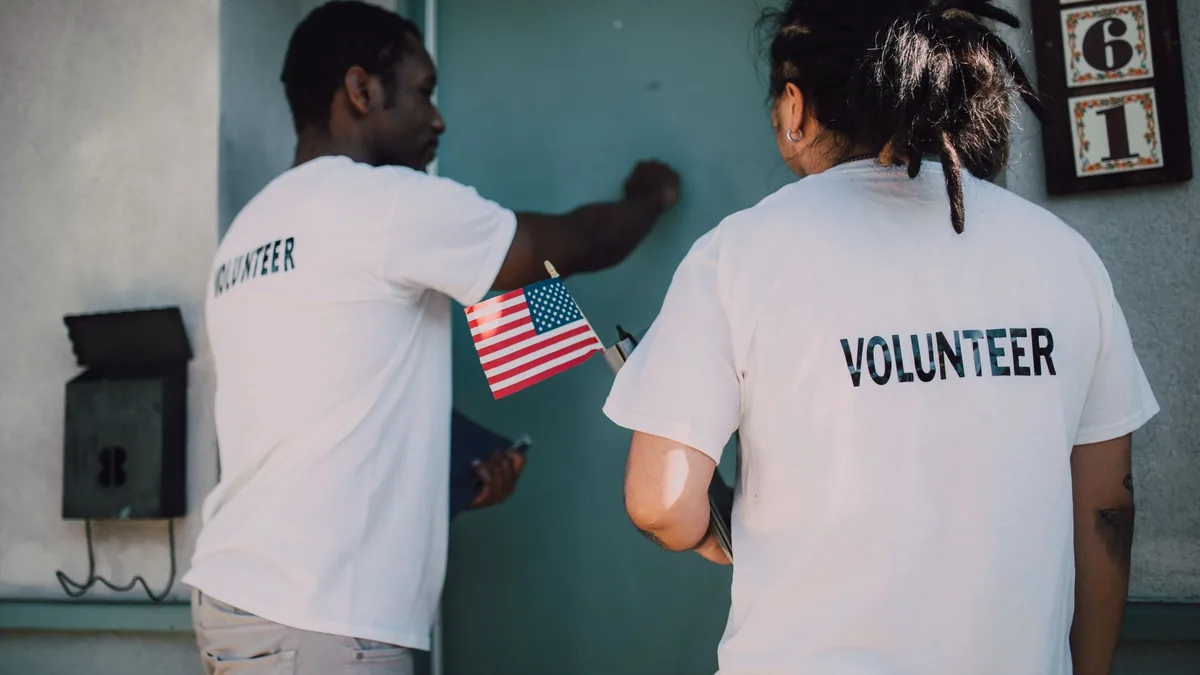
Service is a posture toward the work that applies equally to paid staff; volunteering is an unpaid, structured, managed relationship. Sevadar Foundation does not currently run a volunteer program, and it points people who want to help to the doors that work: reporting to CareGuard, Valor Medica’s own volunteer page, offering a professional skill, and visiting somebody.
People offer to help. The honest answer is more complicated than yes, and it is worth explaining rather than deflecting.
Does Sevadar Foundation have a volunteer program?
It is easy to think of volunteers as free capacity. They are not. A volunteer program needs screening, onboarding, supervision, scheduling, insurance, a way to handle it when something goes wrong, and somebody whose actual job is to run all of that well.
Stood up badly, it produces two bad outcomes at once: volunteers whose time is wasted and who leave feeling used, and risk transferred onto the people the organization exists to protect. In settings involving vulnerable adults, the second one is not a small consideration.
Sevadar Foundation does not currently run one, and saying so is more useful than a form that goes nowhere. Getting involved.
How can I help if there is no volunteer program?
- Report what you see. If you visit or work in a care facility, CareGuard runs a confidential channel and it takes about ten minutes. Report a concern.
- Volunteer with the program that runs a program. Valor Medica operates its own volunteer page: valormedica.org/volunteer.
- Offer a professional skill. Facility operations, geriatric care, nonprofit governance, accounting. That is a phone call, not a form.
- Visit somebody. The single most protective thing in a nursing home resident’s life is a person who shows up at unpredictable hours and pays attention. The things a building does to people
What is the difference between service and volunteering?
“Volunteering” describes an employment relationship — unpaid, structured, managed. Seva describes a posture toward the work, and it applies equally to paid staff. The two get conflated because both involve doing something for someone else, but they answer different questions.
This matters practically in one place. The veterans who conduct CareGuard’s physical-plant reviews are doing necessary work with a real consequence attached. Structuring that as volunteering-as-therapy would change what it is, and it would be legible as charity from a mile away — which is exactly what most of the opportunities offered to veterans already are. Why veterans do this work.
In-kind gifts, while we are being honest
The same logic applies to donated goods. In-kind gifts are frequently more expensive to accept than they are worth once you count storage, transport, disposal and the staff time to manage all three. Ask first and expect a real answer rather than an automatic yes. Questions about giving.
Frequently asked questions
What counts as volunteering?
Volunteering describes a working relationship that is unpaid, structured and managed. A real volunteer program needs screening, onboarding, supervision, scheduling, insurance, a plan for when something goes wrong, and someone whose job is to run it well. Service is different: it is a posture toward the work, and it applies just as much to paid staff.
What is the most helpful thing I can do for a nursing home resident?
Visit. The single most protective thing in a nursing home resident’s life is a person who shows up at unpredictable hours and pays attention. If you visit or work in a care facility and see something wrong, you can also report it through CareGuard’s confidential channel, which takes about ten minutes.
Can I donate goods instead of money?
Ask first. In-kind gifts are often more expensive to accept than they are worth once you count storage, transport, disposal and the staff time to manage all three. Expect a real answer from Sevadar Foundation rather than an automatic yes, so the gift ends up doing the good you intended.
Why are veteran reviews for CareGuard not run as volunteer work?
The veterans who conduct CareGuard’s physical-plant reviews are doing necessary work with a real consequence attached. Structuring it as volunteering-as-therapy would change what the work is. It would also read as charity from a mile away, which is exactly what most of the opportunities offered to veterans already are.