Category: Service

What seva asks of an organization, and of a person.

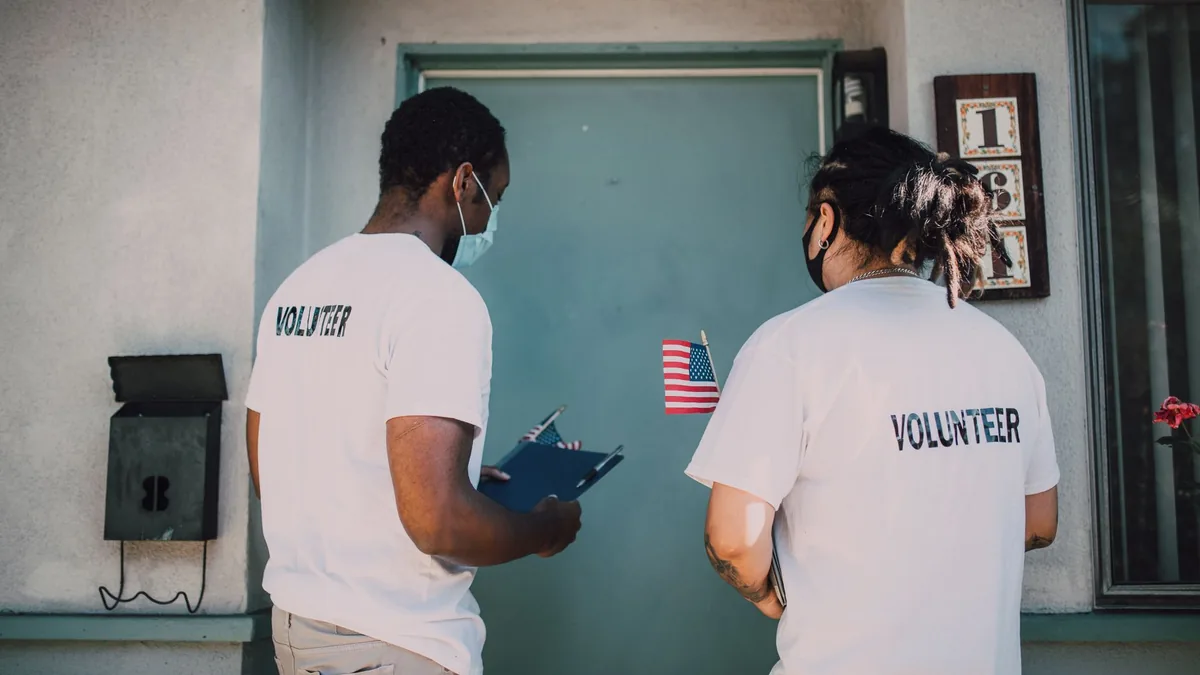
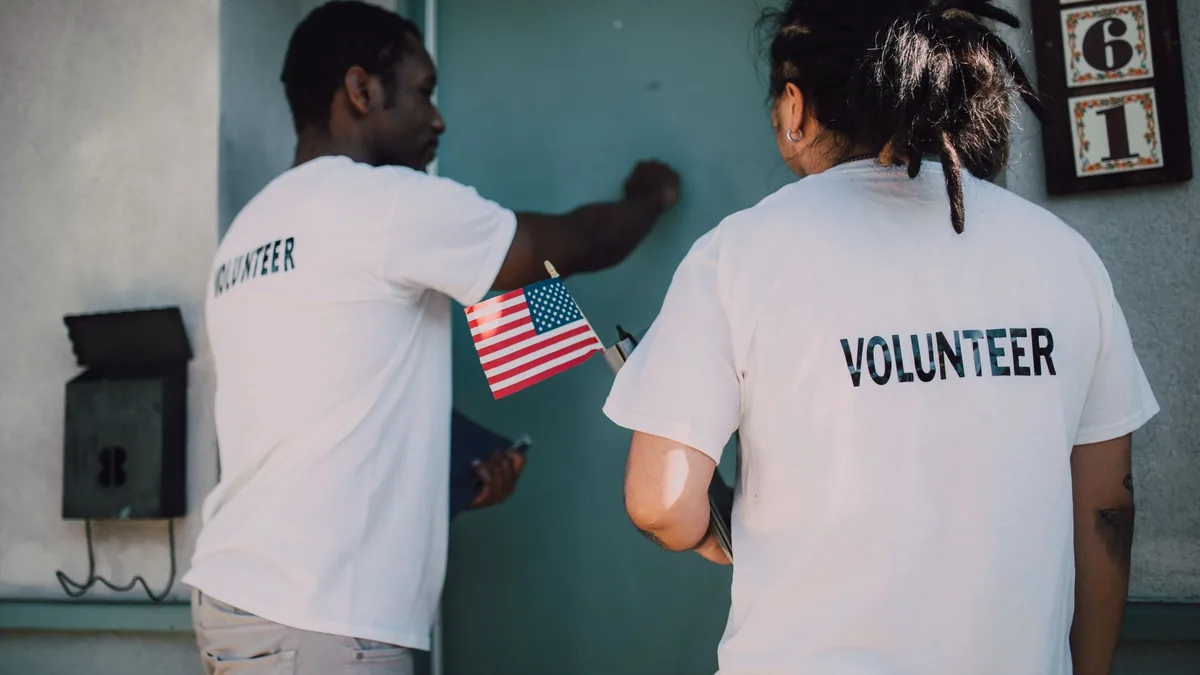
  • Service Is Not the Same as Volunteering

    People offer to help. The honest answer is more complicated than yes, and it is worth explaining rather than deflecting.

    A volunteer program is a program


    It is easy to think of volunteers as free capacity. They are not. A volunteer program needs screening, onboarding, supervision, scheduling, insurance, a way to handle it when something goes wrong, and somebody whose actual job is to run all of that well.

    Stood up badly, it produces two bad outcomes at once: volunteers whose time is wasted and who leave feeling used, and risk transferred onto the people the organization exists to protect. In settings involving vulnerable adults, the second one is not a small consideration.

    Sevadar Foundation does not currently run one, and saying so is more useful than a form that goes nowhere. Getting involved.

    Where the useful doors actually are


    1. Report what you see. If you visit or work in a care facility, CareGuard runs a confidential channel and it takes about ten minutes. Report a concern.
    2. Volunteer with the program that runs a program. Valor Medica operates its own volunteer page: valormedica.org/volunteer.
    3. Offer a professional skill. Facility operations, geriatric care, nonprofit governance, accounting. That is a phone call, not a form.
    4. Visit somebody. The single most protective thing in a nursing home resident’s life is a person who shows up at unpredictable hours and pays attention. The things a building does to people

    The distinction that matters


    “Volunteering” describes an employment relationship — unpaid, structured, managed. Seva describes a posture toward the work, and it applies equally to paid staff. The two get conflated because both involve doing something for someone else, but they answer different questions.

    This matters practically in one place. The veterans who conduct CareGuard’s physical-plant reviews are doing necessary work with a real consequence attached. Structuring that as volunteering-as-therapy would change what it is, and it would be legible as charity from a mile away — which is exactly what most of the opportunities offered to veterans already are. Why veterans do this work.
    In-kind gifts, while we are being honest


    The same logic applies to donated goods. In-kind gifts are frequently more expensive to accept than they are worth once you count storage, transport, disposal and the staff time to manage all three. Ask first and expect a real answer rather than an automatic yes. Questions about giving.

  • Why We Kept the Name When We Rebuilt the Site

    Before there was a foundation with three programs, sevadar.org was a single page. It carried a logo, a contact form, and a sentence.

    True leaders are those who serve. Instead of reducing leadership to the act of only calling the shots, consider a form of leadership based on serving others, caring for one’s community, and uplifting those around you.

    When the site was rebuilt, most of the old page went. That sentence stayed, and the name stayed with it.

    The case against keeping it


    It is worth stating fairly. “Sevadar” is unfamiliar to most people who will read this site. It has to be explained every time it is used. It comes from a specific tradition, which invites a reasonable question about whether the organization is religious. And the sentence itself is the kind of thing that appears on a great many leadership posters.

    A naming consultant would have replaced it in an afternoon with something that needs no explanation.

    The case for keeping it


    The unfamiliarity is the feature. A word that has to be explained is a word that cannot be used as filler. Nobody writes “we are committed to sevadar excellence” in a grant application, because the word does not bend that way. It means something specific, and the specific thing it means is a set of constraints rather than an aspiration. What seva asks of an organization

    The sentence about leadership does the same work. Read carelessly it is a poster. Read carefully it is an argument against a particular model — leadership as the authority to direct — and in favor of a different one. That is a claim, and claims can be checked against behavior.

    On the religious question


    Seva comes from a Sikh and broader South Asian tradition, and the foundation’s mark reflects that inheritance rather than hiding it. What the foundation takes from the tradition is the standard.

    In practice that means: no religious test for anyone the programs serve, no religious test for anyone who works on them, and no religious outreach as part of any program. The founder’s own tradition is where the word came from, and it stays a source rather than a requirement. What sevadar means.

    A name you have to live up to


    The practical effect of a name with a definition is that it can be turned back on you. If this foundation ever builds a program that only works for the easy cases, or runs an appeal that leans on urgency, someone can point at the name.

    That is the reason to keep it.

  • What Seva Asks of an Organization

    It is easy to take a word like seva as a mood. It is more useful as a constraint.

    Seva is service performed without expectation of return — no credit, no exchange, no condition attached to the recipient. A sevadar is the person doing it. In the tradition the word comes from, the archetypal example is not heroic: it is washing dishes, cleaning shoes, cooking for strangers, sweeping a floor. The point of choosing those examples is that nobody watches you do them.

    An organization is not a person


    Applied to a person, seva is an attitude. Applied to an organization, it has to be converted into something with an edge, because organizations do not have attitudes — they have incentives, and the incentives will win every time the attitude is the only thing opposing them.

    So the useful question is not “are we serving?” It is: what does this word forbid? Four things, as far as we can tell.

    One: service that needs an audience


    If the work only happens when it can be photographed, reported or counted toward something, it is not the thing. This is a live risk for every nonprofit, because the parts of the work that are legible to funders and the parts that matter are not the same parts.

    It has a specific consequence here. A facility safety review that goes well is one where somebody walked the corridor nobody walks and found nothing worth reporting. That is a successful review and it produces no story. The review program.

    Two: service conditioned on the recipient


    Seva is not contingent on the recipient deserving it, being grateful for it, or being easy. A program that quietly works better for compliant, organized, articulate people has selected for the people who were going to be fine.

    This is why care that requires an address, a phone and transport is not neutral. It is a filter, and it filters out exactly the people with the most to lose. Valor Medica.

    Three: service that is really a sales channel


    A charitable program that exists to generate referrals somewhere else is an acquisition cost with a mission statement attached. None of these three programs exists to route business anywhere, and the boundaries that keep it that way are written down. Independence and boundaries.

    Four: service that requires being thanked


    Most of what these programs do is invisible to the person it protects. A resident who does not fall does not know why. A patient whose therapy is monitored does not experience the monitoring as an event. That is the normal case, not a failure of communication.

    What the constraint costs


    These are not free positions. Refusing to build a fundraising apparatus caps what the organization can do. Refusing to publish findings makes it a worse advocate for its own work. Refusing to condition service on the recipient makes the work harder and the outcomes messier.

    A value that has never been inconvenient is a slogan. These have each cost something already. Our values.

    The verification test


    There is a fifth rule that follows from the other four and is easier to check than any of them: say the checkable thing. Publish the EIN. Publish the date the exemption took effect. Publish the classification section. Name the document each claim comes from, and name the year a statistic describes rather than the year it was published.

    An organization that makes verification easy is making a small, real commitment, and it is the one commitment a stranger can test in five minutes. The record.