
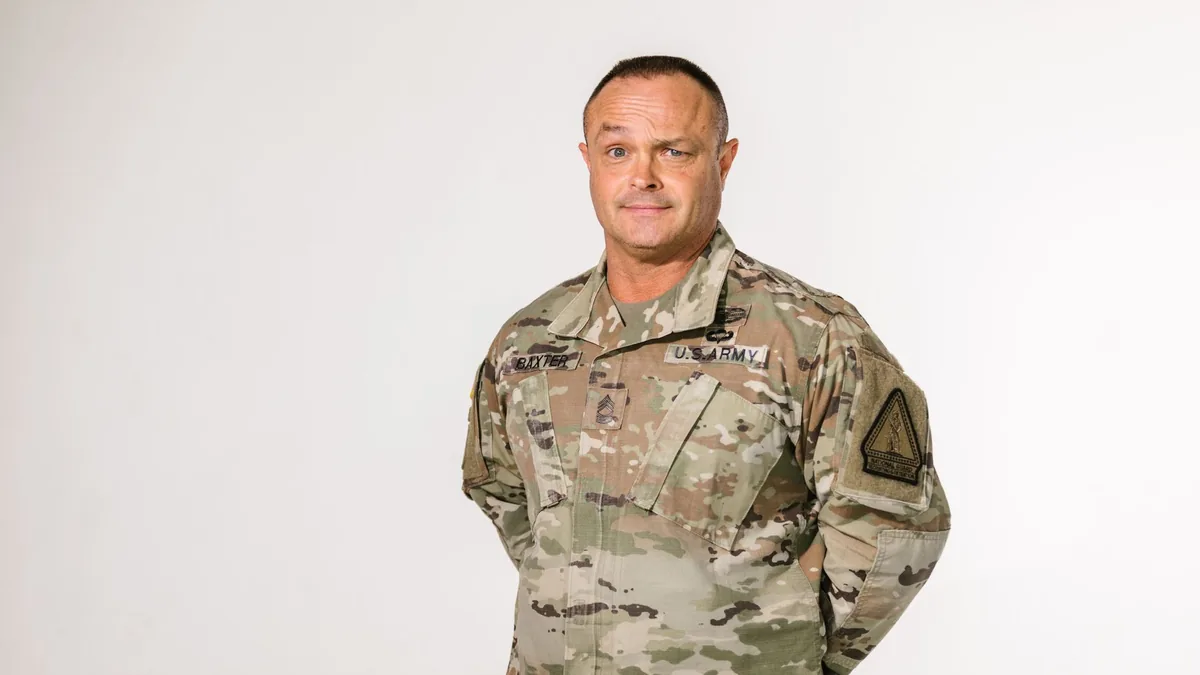
Veterans read buildings well because people trained where shortcuts were punished already have the habit a safety review needs: walk the whole route, notice what changes by shift, and finish, including the corridor nobody uses. The second reason is that a facility review is necessary work with a real consequence, not a favor.
Ask someone to walk a building and tell you what is wrong with it, and you will find out quickly whether they have ever done it under consequences.
What habits does a facility safety review need?
Reading a physical space for how it will fail is a discipline with recognizable components. You walk the whole route, not the representative sample. You notice what changes by time and by shift. You treat the tidy front entrance as evidence about the front entrance and nothing else. And you finish — including the corridor that leads to storage, because the place nobody goes is where the assumption lives.
None of that is mysterious and all of it is learnable. What is not automatic is the habit of doing it every time, including the twentieth time, when the building looks like the last nineteen. People who trained where shortcuts were punished have that habit already.
Why is facility review meaningful work for veterans?
A great deal of what gets offered to veterans is either symbolic or structured so that the veteran is the beneficiary of the arrangement rather than the person doing something necessary. It is meant kindly and it is transparent from a mile away.
A facility safety review is not that. A finding here means a person does not fall. The facility wants the review; the ownership wants the report; the resident’s family would want it if they knew it existed. Nobody is doing anyone a favor by asking.
Keeping the two relationships apart
Veterans appear twice in this foundation’s work — conducting CareGuard reviews, and among the people Valor Medica serves. Those are separate relationships with separate parts of this foundation and neither is conditional on the other. Nobody is asked to work in exchange for care, and nobody’s care depends on working.
Context, stated carefully
HUD’s point-in-time count found 32,495 veterans experiencing homelessness in the United States on a single night in January 2025 — 18,977 sheltered and 13,518 unsheltered — and reports a 56 percent decline since the figure was first published in 2009, more than 40,870 fewer people over sixteen years.
That is here for context about a population, not as an implication about the people conducting these reviews. Both things are true at once: sixteen years of sustained public effort produced one of the better outcomes in American social policy, and thirty-two thousand people on a given night is still thirty-two thousand people. You cannot treat someone you cannot find.
Frequently asked questions
Why work with veterans on facility safety reviews?
Because people trained where shortcuts were punished already have the habit a facility review needs: walk the whole route, notice what changes by shift, and finish, including the corridor nobody uses. And because the work is necessary, not symbolic. A finding means a person does not fall, so nobody is doing anyone a favor by asking.
What do veterans do in a CareGuard facility review?
They walk a care building and read it for how it will fail. That means the whole route rather than a sample, what changes by time and by shift, the tidy front entrance treated as evidence about the entrance only, and the corridor to storage that nobody visits. The skill is learnable; the habit of doing it every time is what counts.
Do veterans have to work to receive care from Valor Medica?
No. Veterans appear twice in the foundation’s work: conducting CareGuard reviews, and among the people Valor Medica serves. Those are separate relationships with separate parts of the foundation, and neither is conditional on the other. Nobody is asked to work in exchange for care, and nobody’s care depends on working.
How many veterans are homeless in the United States?
HUD’s point-in-time count found 32,495 veterans experiencing homelessness on a single night in January 2025: 18,977 sheltered and 13,518 unsheltered. That is a 56 percent decline since the figure was first published in 2009. It is context about a population, not a statement about the people who conduct these reviews.
Sources
Every figure on this page is traceable. Where a source is a government report, the year the data describe is named alongside it, because it is usually not the year of publication.
- U.S. Department of Housing and Urban Development, Office of Community Planning and Development. The 2025 Annual Homeless Assessment Report (AHAR) to Congress, Part 1: Point-in-Time Estimates of Homelessness. Figures describe a single night in January 2025. huduser.gov
- U.S. Department of Veterans Affairs. “Veteran homelessness continues downward trend,” VA News, June 25, 2026. news.va.gov